Live product
Innovorix
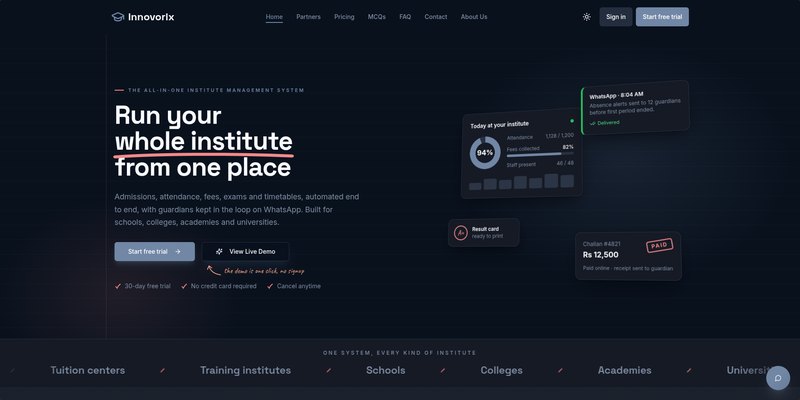
School ERP for daily administration, communication, attendance, fee tracking, and dashboards.
Innovorix gives school teams one operating surface for admissions follow-up, attendance, communication, fee tracking, and the approval paths that usually get lost across spreadsheets and chat.
One system, six seats
Runs the whole institute: staff, classes, fees, approvals, and the health dashboards.
Before and after
From scattered school work to one organized system
Before
Attendance, fees, records, and parent follow-up are scattered across different tools and manual notes.
Overdue
Marksheet
Products we build and run
Live systems, not case studies.
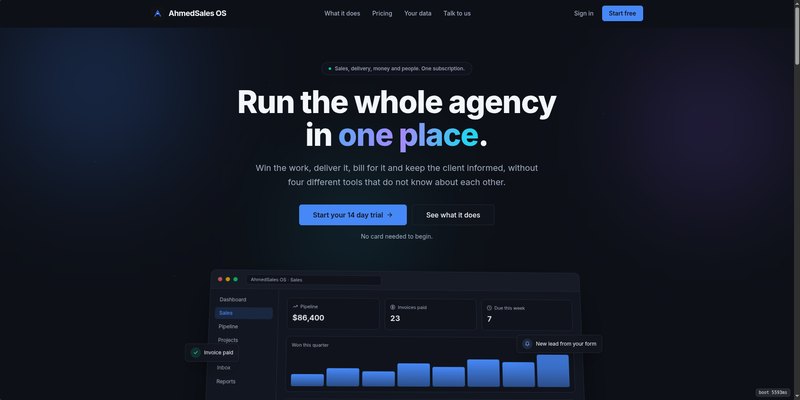
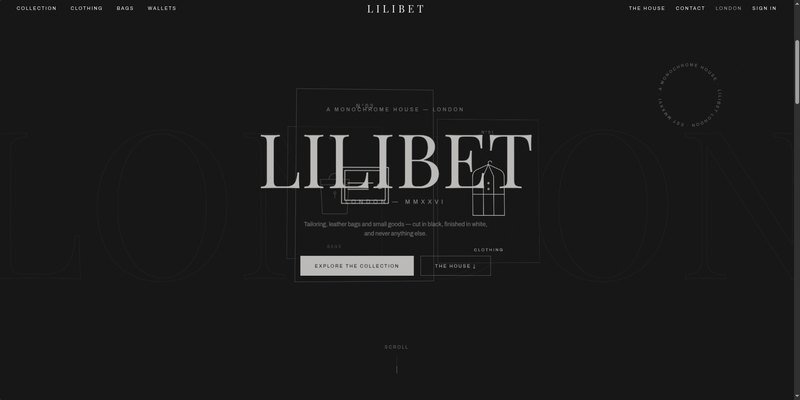
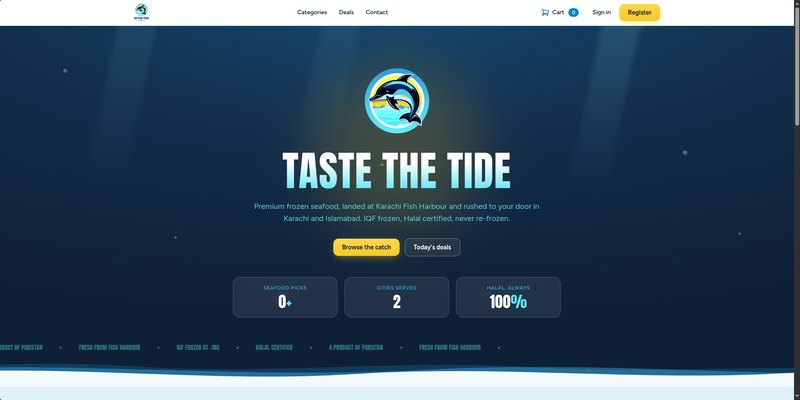
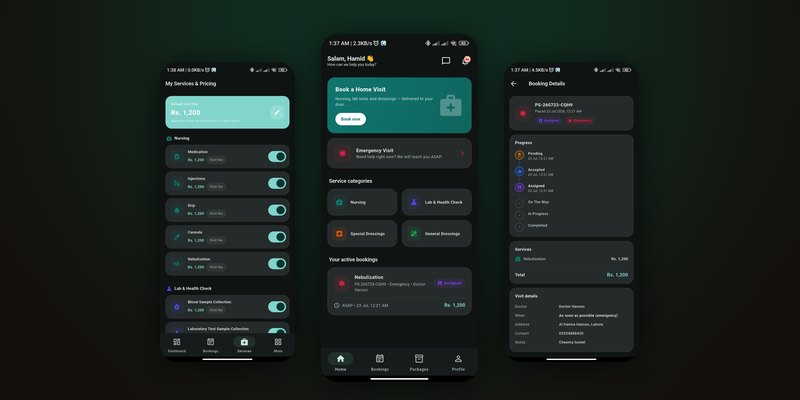
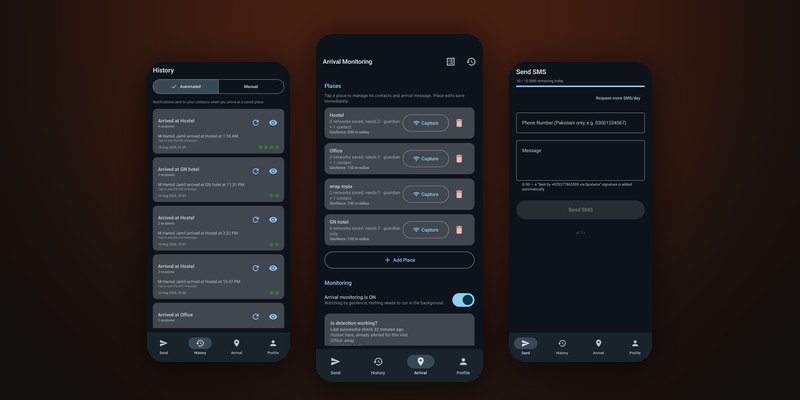
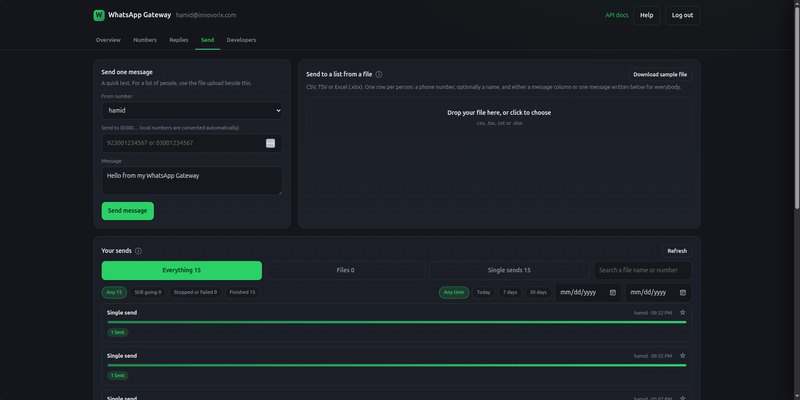
Everything here is running for real users today, from a school platform to storefronts, mobile apps, and the messaging infrastructure underneath them.
Hardware and IoT
We solder the other end too.
The same team that ships the web platforms writes the firmware: GSM gateways, home automation, security hardware, all running in the field, all open on GitHub.
GSM SMS Gateway
A LilyGO T-Call board turned into a two-way SMS and call gateway: jobs queued in the cloud are claimed by the device, sent over the GSM network, and the result written back.
- Hand-written AT-command driver for the SIM800 modem: SMS, calls, caller ID, and power sequencing
- Firestore as a device job queue over raw HTTPS, with batch claiming and randomized anti-ban pacing
- Web dashboard on its own FreeRTOS core, so pages load even while the modem blocks
Home Automation Hub
An always-on Orange Pi 5 Plus at the center of the house: live serial console to the GSM board, telemetry into InfluxDB, camera streaming, tunnels, and Home Assistant automations.
- Flask web console streaming live serial traffic, with automatic port discovery and retry
- Addressed serial protocol feeding the GSM board prayer times and accepting SMS-triggered commands back
- ESP32-CAM video re-streamed through OpenCV, with a push notification on every viewer
Door Security System
A phone-controlled door lock: a magnetic sensor reports open or closed, a servo throws the lock, and the app shows status and drives it, with battery backup when the mains fail.
- Blynk app control through virtual pins, with door state pushed back to the phone
- Multi-microcontroller design: an Arduino Nano owns the hardware and talks to an ESP8266 over a framed serial protocol
- Mains-failure handling that switches the servo to battery and drives a charging relay
Ultrasonic Radar
A rotating radar on an Arduino Nano: a servo sweeps two ultrasonic sensors across the room, learns the baseline at every angle, and raises the alarm only after verifying a change.
- HC-SR04 ranging by hand-timed pulses on two back-to-back sensors, full-circle coverage from a half sweep
- Per-angle baseline arrays with an ignore margin and a verification pass before alarming
- MPU-6050 motion reading through raw I2C registers, no driver library
Water Leak Detector
An ESP32 with two bare wires: when water bridges the pins it wakes, connects, pushes an alert to the phone, and goes back to deep sleep to live on a battery.
- Resistor-free sensing using the internal pull-up: water pulling a pin low is the whole sensor
- Deep sleep with both timer and pin wake-up, reading the wake cause to decide whether to alert
- HTTP alerts straight from the device, debounced and rate limited to one per five minutes
Remote USB Keyboard
An ESP32-S3 that registers as a plain USB keyboard on any computer, nothing to install, while a phone on the same WiFi types into it from the board's own web page.
- USB HID keyboard on the S3's native USB, so the host machine needs no driver or agent
- On-device web page with latching modifier keys, so a touchscreen can send Ctrl+Alt+Del
- BLE as a second transport feeding the same command handler as the web page
Capabilities
What we work in.
Every item below is carried by a shipped system on this page, not a course certificate.
Languages
9The ones production code ships in.
Web
8Frameworks behind the platforms above.
Mobile
5Native and cross-platform apps.
Data & messaging
7Where state lives and how it moves.
Cloud & operations
9Shipping, running, and watching systems.
Embedded & IoT
9Hardware the section above is built on.